With Best Apps to Trade Futures Legally in the US: Full 2026 Regulated Broker Review at the forefront, this paragraph opens a window to an amazing start and intrigue, inviting readers to embark on a storytelling filled with unexpected twists and insights.
Futures trading has a rich history in the US, offering unique opportunities for investors. In this digital age, trading apps have revolutionized the way people engage in futures trading, providing convenience and accessibility like never before. Let's dive into the realm of futures trading apps and explore the top picks for 2026 with a focus on legal compliance.
Overview of Futures Trading Apps
In the United States, futures trading has a long history dating back to the 19th century when farmers and merchants used futures contracts to manage their risk in the agricultural industry. Today, futures trading has evolved to include a wide range of financial instruments, including commodities, stocks, and currencies.
Futures trading involves buying or selling a contract that obligates the parties involved to buy or sell an asset at a predetermined price at a specified time in the future. Unlike traditional stock trading, futures trading allows investors to speculate on the price movements of underlying assets without actually owning them.
One of the main benefits of using apps for trading futures is the convenience and accessibility they offer to traders. With a trading app, investors can monitor their positions, execute trades, and access real-time market data anytime and anywhere, right from their mobile devices.
Benefits of Using Futures Trading Apps
- Convenience: Trading apps provide traders with the flexibility to manage their positions on the go, without being tied to a desktop computer.
- Real-time Data: Apps offer up-to-date market information and news, allowing traders to make informed decisions quickly.
- Efficiency: With just a few taps on their smartphones, traders can execute trades instantly, reducing the time lag between decision-making and action.
- Accessibility: Trading apps make it easier for beginners to enter the futures market and learn the ropes with user-friendly interfaces and educational resources.
Regulation and Compliance in US Futures Trading
When it comes to futures trading in the US, there is a strict regulatory framework in place to ensure legality and security for traders. It is important to understand the key regulatory bodies overseeing futures trading and the significance of trading with regulated brokers.
Regulatory Framework for Futures Trading in the US
The regulatory framework for futures trading in the US is primarily governed by the Commodity Futures Trading Commission (CFTC). This independent agency was established to regulate the futures and options markets, protect market participants, and ensure market integrity.
Additionally, the National Futures Association (NFA) works alongside the CFTC to regulate the activities of futures brokers and ensure compliance with industry standards and regulations.
Key Regulatory Bodies Overseeing Futures Trading
- The Commodity Futures Trading Commission (CFTC): The primary regulatory body overseeing futures trading in the US.
- The National Futures Association (NFA): Works in conjunction with the CFTC to regulate futures brokers and maintain industry standards.
Importance of Trading with Regulated Brokers
Trading with regulated brokers is crucial for both legality and security. Regulated brokers are required to adhere to strict guidelines and standards set by regulatory bodies like the CFTC and NFA. This ensures that traders' funds are protected, and that the trading environment is fair and transparent.
Criteria for Selecting the Best Apps for Futures Trading
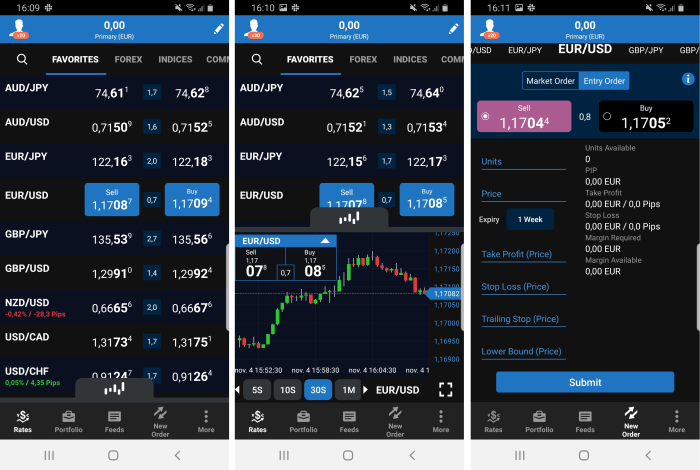
When choosing a futures trading app, there are several key factors to consider to ensure you have the best possible experience. From user interface to fees and customer support, each aspect plays a crucial role in your trading journey. Additionally, the availability of demo accounts for practicing trading strategies can make a significant difference in your success as a trader.
User Interface
A user-friendly interface is essential for a futures trading app, as it can impact your ability to navigate the platform efficiently. Look for apps that offer intuitive design, easy access to key features, and customizable settings to suit your trading style.
Fees
Fees can vary significantly between different futures trading apps, so it's important to compare and choose one that aligns with your budget and trading frequency. Consider factors such as commission fees, account maintenance fees, and any additional charges that may apply.
Available Markets
The range of markets available on a futures trading app can greatly influence your trading opportunities. Look for apps that offer a diverse selection of futures contracts across various asset classes, including commodities, currencies, and indices.
Customer Support
Responsive and reliable customer support is crucial when trading futures, especially in times of technical issues or account concerns. Choose an app that provides multiple support channels, such as live chat, email, and phone support, to ensure you have assistance when you need it most.
Demo Accounts
Demo accounts are a valuable tool for practicing trading strategies and familiarizing yourself with the platform's features without risking real money. Opt for apps that offer demo accounts with virtual funds to hone your skills and build confidence before engaging in live trading.
Review of Top Regulated Brokers for Futures Trading in 2026
When it comes to trading futures in the US, having a reliable and regulated broker is essential. Here is an overview of some of the top regulated brokers for futures trading in 2026, along with a comparison of their features, fees, and services.
Broker A
Broker A offers a user-friendly platform with advanced trading tools and competitive fees. They provide excellent customer support and have a wide range of futures contracts available for trading.
Broker B
Broker B stands out for its low fees and fast execution speeds. They also offer a demo account for beginners to practice trading before risking real money. Their educational resources are comprehensive, making it a great choice for new traders.
Broker C
Broker C specializes in a specific niche of futures trading, offering unique contracts and customization options for traders. While their fees may be slightly higher, their personalized services and tailored solutions make them a top choice for experienced traders.
Last Word
In conclusion, navigating the world of futures trading apps can be daunting, but with the right knowledge and tools, investors can make informed decisions. Stay updated with the latest trends and regulations to ensure a successful trading experience.
Essential Questionnaire
What are the key factors to consider when selecting a futures trading app?
Some key factors to consider include user interface, fees, available markets, customer support, and the presence of demo accounts for practice.
Why is it important to trade with regulated brokers in the US?
Trading with regulated brokers ensures legality, security, and protection of investor funds. It also helps in resolving disputes through proper channels.
How does futures trading differ from other forms of trading?
Futures trading involves agreements to buy or sell assets at a predetermined price and date in the future. This differs from other trading forms like stocks or forex, which involve immediate transactions.
![Choosing The Best Futures Trading Platform [2025 Guide] | Phidias Propfirm](https://share.kandisnews.com/wp-content/uploads/2025/12/5f7862f4f85e0c468300202204178ea7-75x75.jpg)



![Choosing The Best Futures Trading Platform [2025 Guide] | Phidias Propfirm](https://share.kandisnews.com/wp-content/uploads/2025/12/5f7862f4f85e0c468300202204178ea7-120x86.jpg)