
Exploring the legal disparities between stock market betting apps and regulated futures trading platforms in the US, this discussion sheds light on the critical distinctions that shape these financial avenues. Dive into the realm of laws, regulations, and their impact on consumer protection and market stability as we unravel the intricate web of differences between these platforms.
Key Differences in Legal Frameworks
When comparing stock market betting apps to regulated futures trading platforms in the US, it is crucial to understand the core legal distinctions that govern these two types of platforms. The laws and regulations that apply to each play a significant role in shaping how they operate and the level of protection they offer to consumers.
Stock Market Betting Apps
- These apps are typically categorized as online gambling platforms rather than traditional investment platforms.
- They operate under the oversight of state gambling laws rather than federal securities regulations.
- Users engage in speculative betting on stock price movements without owning the underlying assets.
- Consumer protections are limited, and the risk of financial loss is high due to the nature of the betting activities.
Regulated Futures Trading Platforms
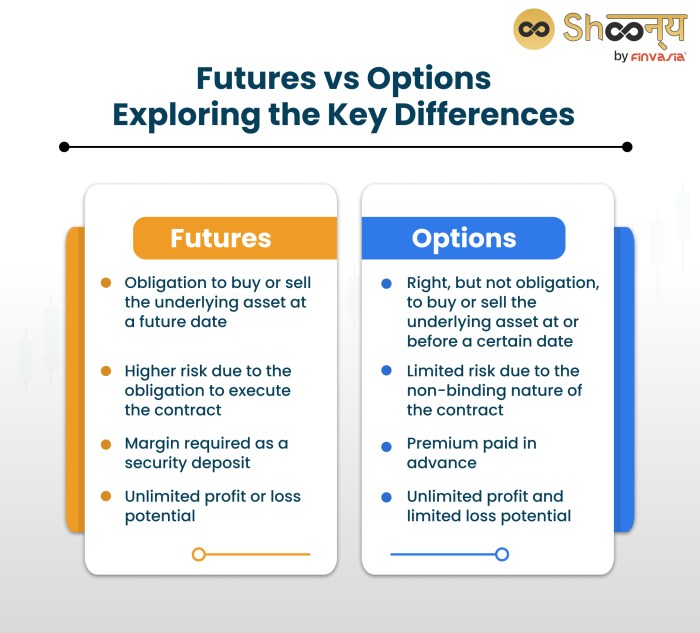
- These platforms are governed by the Commodity Futures Trading Commission (CFTC) in the US.
- They offer trading in futures contracts, which are standardized agreements to buy or sell assets at a predetermined price in the future.
- Strict regulations are in place to protect consumers and ensure market integrity and stability.
- Participants in regulated futures trading must adhere to specific margin requirements and reporting obligations set by the CFTC.
Overall, the legal variances between stock market betting apps and regulated futures trading platforms have significant implications for consumer protection and market stability. While stock market betting apps may offer more flexibility and accessibility, they also expose users to higher risks and limited regulatory safeguards.
On the other hand, regulated futures trading platforms provide a more structured and regulated environment for trading, enhancing transparency and reducing the potential for market manipulation.
Regulatory Oversight
When it comes to regulatory oversight, there are significant differences between stock market betting apps and regulated futures trading platforms. Let's delve into the specific rules and requirements set forth by the regulatory agencies for these platforms, as well as how regulatory oversight influences their transparency and integrity.
Stock Market Betting Apps
Stock market betting apps are typically overseen by regulatory bodies that focus on consumer protection and fair trading practices. These apps often fall under the jurisdiction of financial regulatory authorities, such as the Securities and Exchange Commission (SEC) or the Financial Industry Regulatory Authority (FINRA).
These regulatory bodies enforce rules to ensure that stock market betting apps operate ethically and in compliance with financial regulations.
Regulated Futures Trading Platforms
Regulated futures trading platforms, on the other hand, are overseen by entities like the Commodity Futures Trading Commission (CFTC) in the United States. The CFTC regulates the trading of futures contracts and options to protect market participants from fraud, manipulation, and abusive practices.
Regulated futures trading platforms must adhere to strict rules and requirements set by the CFTC to maintain transparency and integrity in the futures market.
Impact of Regulatory Oversight
- Regulatory oversight plays a crucial role in ensuring the transparency and integrity of both stock market betting apps and regulated futures trading platforms.
- By enforcing rules and requirements, regulatory agencies help prevent market manipulation, fraud, and other illicit activities that could harm investors and market participants.
- Transparency in reporting and compliance with regulatory standards also builds trust among users, enhancing the credibility of these platforms.
- Regulatory oversight promotes a level playing field for all participants, fostering fair and orderly markets that operate in the best interests of investors.
Investor Protections
Investor protections play a crucial role in maintaining market integrity and safeguarding the interests of market participants. In the context of stock market betting apps and regulated futures trading platforms, the measures in place to protect investors differ significantly in terms of risk management, disclosure requirements, and dispute resolution.
Let's delve deeper into these differences and their impact on market confidence and risk mitigation.
Risk Management
Risk management is a fundamental aspect of investor protection, especially in the realm of financial markets. Stock market betting apps often lack stringent risk management protocols compared to regulated futures trading platforms. While futures trading platforms are subject to strict risk management requirements enforced by regulatory bodies, stock market betting apps may not have the same level of oversight
This discrepancy can expose investors using betting apps to higher levels of risk without adequate safeguards in place.
Disclosure Requirements
Disclosure requirements are crucial for ensuring transparency and accountability in financial transactions. Regulated futures trading platforms are typically required to provide detailed disclosures regarding the risks involved, trading strategies, and financial products offered. On the other hand, stock market betting apps may not have the same level of disclosure requirements, leading to potential misunderstandings or misinterpretations by investors.
This lack of transparency can increase the likelihood of disputes and losses among app users.
Dispute Resolution
Effective dispute resolution mechanisms are essential for addressing conflicts and grievances in financial markets. Regulated futures trading platforms often have established procedures for resolving disputes between investors, brokers, and other parties involved in trading activities. In contrast, stock market betting apps may not offer the same level of formal dispute resolution mechanisms, leaving investors vulnerable to unresolved issues or disputes.
This disparity in dispute resolution processes can erode investor confidence and deter participation in these platforms.
Impact on Market Confidence and Risk Mitigation
The presence of robust investor protections, including sound risk management practices, stringent disclosure requirements, and effective dispute resolution mechanisms, can enhance market confidence and promote risk mitigation. Investors are more likely to engage in trading activities when they feel their interests are safeguarded and disputes can be resolved fairly.
In contrast, a lack of adequate investor protections can undermine market confidence, increase the perception of risk, and deter potential investors from participating in financial markets. Therefore, the implementation of comprehensive investor protection measures is essential for maintaining a healthy and resilient market ecosystem.
Compliance and Auditing Practices

In the realm of financial markets, compliance and auditing practices play a crucial role in ensuring transparency, integrity, and investor protection. Both stock market betting apps and regulated futures trading platforms are required to adhere to strict standards to maintain a fair and orderly market environment.
Compliance Standards
Compliance standards refer to the set of rules and regulations that companies must follow to ensure they are operating within the legal boundaries set by regulatory authorities. Stock market betting apps and regulated futures trading platforms are subject to different compliance standards based on the nature of their operations.
For instance, regulated futures trading platforms are typically governed by the Commodity Futures Trading Commission (CFTC) and must comply with the rules Artikeld in the Commodity Exchange Act. On the other hand, stock market betting apps may be subject to oversight by the Securities and Exchange Commission (SEC) or other regulatory bodies, depending on the specific activities they offer.
Auditing Practices
Auditing practices involve the examination of financial records, transactions, and processes to ensure accuracy, compliance, and transparency. Both stock market betting apps and regulated futures trading platforms are required to undergo regular audits by independent third-party auditors to verify their financial statements and ensure they are in compliance with relevant regulations.
These audits are essential for maintaining investor confidence and trust in the market ecosystem.
Anti-Money Laundering (AML) and Know Your Customer (KYC) Regulations
Anti-money laundering (AML) and know your customer (KYC) regulations are vital components of compliance for both stock market betting apps and regulated futures trading platforms. AML regulations are designed to prevent the use of financial systems for money laundering activities, while KYC regulations require financial institutions to verify the identity of their customers to prevent fraud and illicit activities.
By complying with AML and KYC regulations, these platforms can mitigate the risks of financial crime and protect investors from potential threats.
Importance of Compliance and Auditing
Compliance with regulatory standards and rigorous auditing practices are essential for maintaining the integrity and stability of financial markets. By upholding these practices, stock market betting apps and regulated futures trading platforms can instill confidence in investors, promote market transparency, and ensure a level playing field for all participants.
Ultimately, adherence to compliance and auditing standards contributes to a fair and orderly market environment where investors can trust the legitimacy of the trading platforms they engage with.
Wrap-Up
As we wrap up our exploration of Stock Market Betting Apps vs. Regulated Futures Trading Platforms: Key US Legal Differences, it becomes evident that understanding the legal landscape is paramount in navigating the complexities of financial trading. From regulatory oversight to investor protections, each facet plays a crucial role in shaping the market environment.
Expert Answers
What are the core legal distinctions between stock market betting apps and regulated futures trading platforms?
The key differences lie in the regulatory frameworks governing these platforms, influencing consumer protection and market stability.
How do regulatory bodies overseeing these platforms differ?
Stock market betting apps and regulated futures trading platforms are overseen by distinct regulatory bodies with specific rules and requirements.
What measures are in place to protect investors on these platforms?
Investor protections vary in terms of risk management, disclosure requirements, and dispute resolution, impacting market confidence and risk mitigation.
What compliance standards and auditing practices do these platforms adhere to?
Both types of platforms must comply with anti-money laundering (AML) and know your customer (KYC) regulations to maintain a fair market environment.







![Choosing The Best Futures Trading Platform [2025 Guide] | Phidias Propfirm](https://share.kandisnews.com/wp-content/uploads/2025/12/5f7862f4f85e0c468300202204178ea7-120x86.jpg)